
What does your oil company charge you per gallon? Well, on average oil companies usually quote over $4-$5 per gallon for this winter’s heating oil. Now do the math with me. If you use 800 gallons like last year, that’s $3,840 just to stay warm.
And oil prices don’t exactly trend downward. So you start researching alternatives. Heat pumps keep popping up. The ads promise you can heat and cool your house with one system, slash energy bills, and get up to $10,000 in Massachusetts rebates.
Sounds perfect. Except your neighbour swears they don’t work in the cold. Your oil delivery guy told you they’re “not for New England.” And you keep reading online that heat pumps are only good for mild climates.
So what’s the truth? Well, I’m here to tell you that. I’m Ray. I run VivaVolt here in Needham, Massachusetts. I’ve installed heat pumps across Greater Boston, Newton Colonials, Wellesley capes, Needham ranches. I’ve seen them work beautifully, and I’ve also seen them underperform badly.
The difference is almost never the equipment. It’s almost always the preparation and installation. Let me tell you what actually happens when you install a modern cold-climate heat pump in a Massachusetts home, what the real performance data shows, and why the contractor who gives you the lowest quote might cost you the most in the long run.
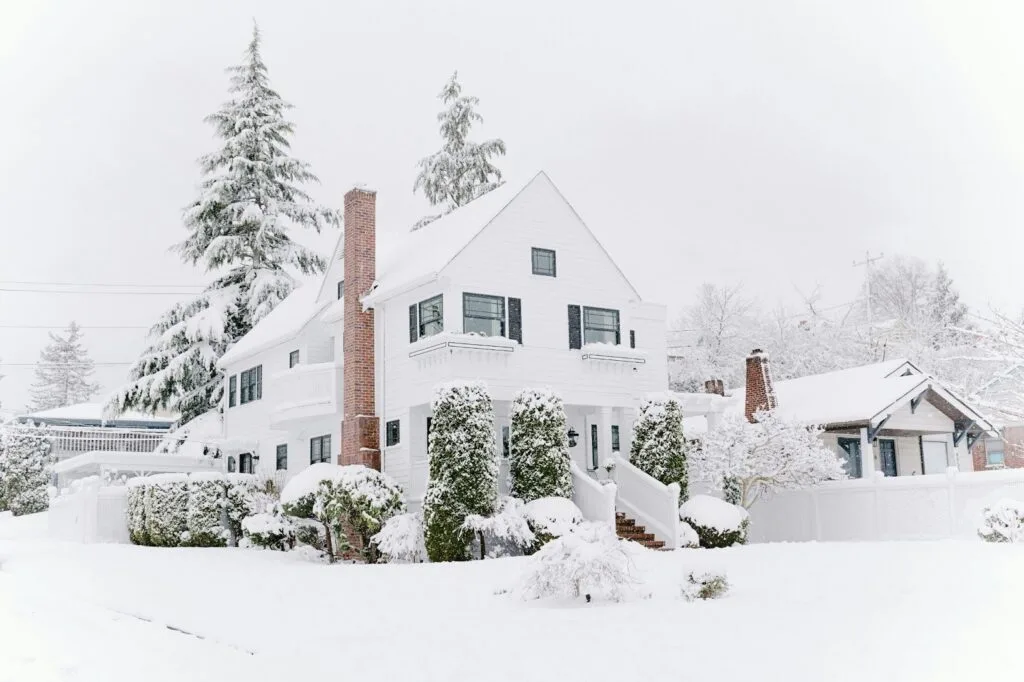
Why Does Everyone Say Heat Pumps Don’t Work in the Cold? (And Why They’re Wrong Now)
Let’s address this head-on: people who say heat pumps can’t handle Massachusetts winters aren’t lying. They’re just stuck in 2010. Heat pumps from 10-15 years ago really did struggle below 30°F. Those older systems would lose 40-50% of their heating capacity right when you needed it most. Backup electric heat would kick in constantly, electricity bills would spike, and homeowners would regret ditching their reliable oil furnaces.
That experience created a reputation. And reputations last long after facts change. Modern cold-climate heat pumps use completely different technology. Variable-speed inverter compressors, enhanced refrigerants, vapor-injection systems designed specifically for climates that actually get cold.
The LG LGRED° systems we install maintain 100% heating capacity down to -13°F and keep operating to -30°F. When’s the last time Needham hit -30°F? Never.
LG LGRED° Cold-Climate Performance:
- 100% heating capacity at -13°F
- Operates down to -30°F
- Variable-speed inverter technology
- Zero capacity loss in typical MA winter temps
So when someone asks, “do heat pumps work in Massachusetts winters?,” yes. But there’s a difference between “it works” and “it works well in YOUR specific house.”
What “Works in Cold” Actually Means? (Real Performance Numbers)
Most contractors will mumble something about efficiency and move on. Let me show you what that actually means with real data. Heat pump efficiency is measured by COP (coefficient of performance). It tells you how many units of heat you get per unit of electricity. A COP of 1 means you get exactly what you put in (that’s electric baseboard heat).
Modern cold-climate heat pumps in actual Massachusetts conditions:
At 0°F: COP of 2.0 (twice the heat per dollar vs. electric resistance)
At 20°F: COP of 2.5
At 32°F: COP of 2.7
At 42°F: COP of 3.7
These aren’t marketing claims. This is field data from LG and Mitsubishi systems installed across New England. So on a 15-degree January morning in Wellesley, your heat pump delivers 2-2.5 times more heat per dollar than an electric baseboard.
So is your neighbour running their pump on oil? Because even with a 90% efficient furnace, they’re maxing out at 90% efficiency. You’re running at 200-270% efficiency. The math doesn’t add up.
“But My House Is Old and Drafty…”
I know. You’re not in some new Passive House with R-60 insulation. You’ve got a Colonial that’s been added onto three times. Or a cape where upstairs is always cold. Or that Victorian with the $500 monthly oil bills.
Can a heat pump work in your house? Honest answer: maybe. Maybe not yet. This is where most contractors lie to you. They’ll look at your 1940s house with single-pane windows and zero attic insulation, and still quote you a system. Because they want the sale.
I’ve turned down jobs because the house wasn’t ready. Or those with not enough insulation, too many air leaks, and a lot of issues that need addressing first.
A $20,000 heat pump in a house hemorrhaging heat through walls and windows will work hard. Not only that, it’d cost more than it should, and never perform properly. That’s not the heat pump failing, that’s the contractor failing you.
Before installing any system, I check:
- Insulation levels (attic, walls, basement)
- Air sealing quality (those drafts matter)
- Window efficiency (single vs. double-pane makes a huge difference)
- Electrical capacity (can your panel handle it?)
- Actual heating load (proper Manual J calculation, not guesswork)
Sometimes people don’t do any of that, instead they go straight for the heat pumps. But you need to check other things too. Like get the insulation up to code, seal all those air leaks, and then install a heat pump that’ll actually perform. That approach costs me immediate sales. But it prevents angry February phone calls.

The Question That Separates Good Contractors from Everyone Else
Before signing any contract, ask this. “What happens if the system doesn’t perform the way you’re telling me it will?” Then watch what happens next.
Most contractors will mumble about the manufacturer’s warranty and change subjects fast. Because warranties cover failed compressors. They don’t cover:
- Your bedroom staying 62°F in January
- Electricity bills double what they projected
- One room that won’t heat properly
- The system running constantly but never quite keeping up
At VivaVolt, we install the system, then commission it properly. We test airflow in every room, verify temperatures match calculations, and document baseline performance. Then we come back when it’s actually cold. Not October when we install. But January when you’re heating your home.
If something’s not performing right, we fix it. We don’t hide behind warranty paperwork. Is that normal? No. Should it be? Absolutely.
What Happens When It Hits 5°F?
Real talk: Massachusetts gets cold. What happens when it’s 5°F and windy and you’re wondering if this was a mistake? I’ve watched our LG installations run through Boston’s worst January weeks. I’m talking 10-15°F for days straight, without backup heat ever engaging. Just the heat pump doing its job.
Let’s talk about that backup. Some homeowners want secondary heat sources for peace of mind, like to:
- Keep existing oil/gas furnace as backup (dormant 90% of winter)
- Add small electric resistance for extreme days
- Install hybrid system that switches automatically
That’s not defeat. That’s smart New England design.
Here’s your typical MA Heating Season Breakdown:
- 85-90% of winter: Heat pump handles everything
- 8-12%: Heat pump handles most, minimal backup
- 2-3%: Extreme cold, backup assists more
- Total fossil fuel reduction: 80-95%
Here’s what I would suggest. Keep your furnace as a backup and let the heat pump work 9-10 months yearly. You’ll still be cutting fossil fuel use by 85-95%, still slashing costs, and still reducing emissions dramatically.
Mass Save Rebates and What They Don’t Tell You
The Massachusetts rebates are real:
- Up to $10,000 from Mass Save
- Up to $2,000 federal tax credit
- 0% HEAT Loan financing up to $25,000
An $18,000 installation can become $6,000-$8,000 out-of-pocket after incentives. But here’s what most people miss. Starting winter 2026, Eversource, National Grid, and Unitil are offering discounted electricity rates specifically for heat pump users.
This means lower rates during the heating season when you’re actually using the system. Massachusetts is literally betting heat pumps save money even with increased electricity use.
Requirements for Mass Save rebates:
✓ ENERGY STAR Cold Climate certified system
✓ Mass Save Heat Pump Installer Network contractor
✓ Proper sizing and installation documentation
✓ Home Energy Assessment (may be required)
That’s not bureaucracy. That’s quality control.
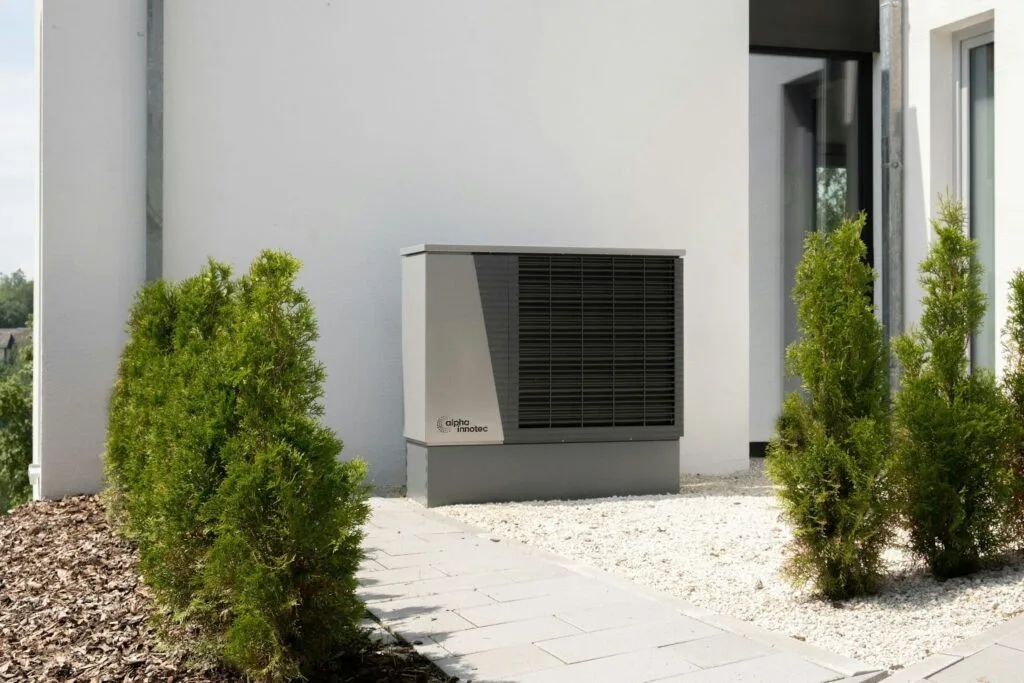
When I Tell Homeowners “Not Yet”…
Sometimes heat pumps aren’t the right answer. At least not immediately. I recommend waiting when:
- Serious insulation issues you won’t address, heat pump will struggle and savings won’t materialize
- Selling in next 12-18 months, won’t see financial payback
- Unreliable electrical service, oil/propane might make more sense
- Existing system under 5 years old and working fine, wait for replacement timing
Last week, a couple in their 70s asked about heat pumps. Their oil system is 4 years old, well-maintained, working perfectly. They’re downsizing to a condo in 2-3 years.
I told them to stick with oil, and keep it maintained. That way, you’ll save money for the condo. They seemed shocked that someone selling heat pumps would say to not buy one. But I’m not selling heat pumps. I’m solving heating problems the right way for each situation.
Installation Matters More Than Equipment
You can buy the best cold-climate heat pump on the market, Mitsubishi, LG, Fujitsu, and it’ll perform terribly if installed wrong.
- Undersized? Rooms won’t heat
- Oversized? Short-cycling, poor humidity control, higher costs
- Wrong refrigerant charge? Efficiency tanks
- Poor ductwork? Uneven temperatures
- No commissioning? You’ll never know if it’s working until it’s too late
Installation matters more than brand.
Someone needs to:
- Run Manual J load calculation for your specific house
- Evaluate existing ductwork (if ducted)
- Size system based on actual loads
- Properly charge refrigerant lines
- Test airflow in every room
- Commission and document baseline performance
Most contractors skip half that list, and try to do 3-4 installations daily. But we don’t, one installation done right beats three done fast.
What You Should Actually Do Next?
If you’re seriously considering a heat pump, not browsing, actually ready, here’s my recommendation:
Step 1: Get Free Mass Save Home Energy Assessment
Call 866-527-7283 or visit MassSave.com. They’ll evaluate your insulation, air sealing, and overall efficiency. They’ll tell you honestly if you should weatherize first or if you’re ready now. This is free or heavily subsidized. Use it.
Step 2: Talk to Contractors Who Say “No”
If a contractor will walk away because it’s not the right fit, then that’s your person. Ask them:
- “What happens if this doesn’t perform as promised?”
- “Will you come back to verify your performance?”
- “Have you ever turned down a job because the house wasn’t ready?”
Their answers will tell you everything.
Step 3: Verify Mass Save Approval
Check MassSave.com Heat Pump Installer Network directory. If they’re not listed, you won’t get rebates, period.
Step 4: Ask About Commissioning
Anyone can bolt equipment to your wall. Not everyone properly commissions, tests under load, and stays available for support. So ask them: “When do you verify the system performs correctly?” If you get a vague answer, then just walk away.

The Real Answer
Do heat pumps work in Massachusetts winters? Short answer, yes. But a better question can be: Will a heat pump work well in YOUR house, YOUR situation, YOUR budget and priorities?
That requires actual conversation. Not phone quotes, or online calculators. I’m talking about the actual evaluation of your home’s efficiency, insulation, and electrical capacity. The actual science.I’ve installed heat pumps in drafty 1920s Colonials and new builds. In homes with oil, gas, electric, propane. For people wanting maximum efficiency and people just wanting lower bills.
They work. When done right. If you’re in Greater Boston, Needham, Newton, Wellesley, or surrounding areas, and want honest conversation about whether your home is ready, call VivaVolt: 781-908-2200.
FAQs: Heat Pumps in Massachusetts Cold Weather
1. Do heat pumps work below freezing in Massachusetts?
Yes. Modern cold-climate heat pumps like LG LGRED° maintain full capacity to -13°F and operate to -30°F. Massachusetts rarely reaches those extremes. Boston’s average coldest day is around 7°F.
2. Will my electricity bill increase with a heat pump?
Your electricity usage increases, but total energy costs typically drop $900-$2,800 annually by eliminating oil/gas. Plus, winter 2026 brings discounted electric rates for Massachusetts heat pump users.
3. Can I keep my oil furnace as backup?
Absolutely. Hybrid systems where heat pumps handle 85-95% of heating and existing furnaces provide extreme cold backup are common, smart configurations for Massachusetts homes.
4. How long do heat pumps last in cold climates?
15-20 years with proper annual maintenance. Outdoor units are engineered specifically for cold-climate operation with components rated for freeze/thaw cycles.
5. What size heat pump do I need?
This requires proper manual J load calculation based on your home’s insulation, windows, air sealing, ductwork, and more. Square footage alone doesn’t determine sizing. Wrong sizing causes problems.
6. Are heat pumps noisy?
Modern units operate at 50-60 decibels (normal conversation volume). Much quieter than window ACs and comparable to or quieter than furnaces.